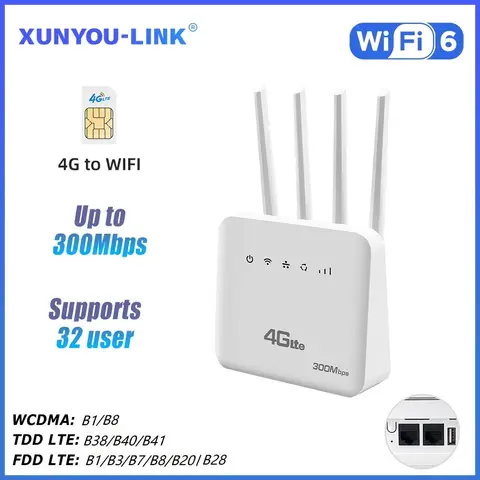
What is a Router SBC and How Does It Work?
If you're looking to understand what a
Router SBC is and how it functions, you're not alone. Many users, especially those in small to medium-sized businesses, are turning to Router SBC solutions for their networking needs. Answer: A Router SBC is a compact, single-board computer designed to function as a router, often used in embedded systems and industrial applications. It combines routing capabilities with the flexibility of a single-board computer. A Router SBC is essentially a Single Board Computer (SBC) that is configured to perform routing tasks. Unlike traditional routers, which are often proprietary and limited in customization, Router SBCs offer greater flexibility and can be tailored to specific network environments.
- Single Board Computer (SBC)
- A complete computer built on a single circuit board, including a processor, memory, and input/output interfaces.
- Router
- A device that forwards data packets between computer networks, creating an overlay of interconnected networks.
Here’s how a Router SBC works in a typical setup:
- Hardware Integration: The Router SBC is installed in a network environment, often in a rack or industrial setting.
- Software Configuration: Open-source or proprietary software is loaded onto the Router SBC to define routing rules and network policies.
- Network Management: The Router SBC manages traffic between different network segments, ensuring secure and efficient data flow.
Compared to traditional routers, Router SBCs offer more customization and can be used in a variety of applications, from home automation to enterprise-level networking.
How to Choose the Right Router SBC for Your Network?
If you're trying to decide which Router SBC to choose for your network, you're likely considering factors like performance, scalability, and compatibility. Answer: Choose a Router SBC based on your network size, required performance, and compatibility with your existing infrastructure. When selecting a Router SBC, consider the following:
| Factor | Consideration | Recommended SBC |
| Network Size | Small office or home network vs. enterprise-level network | For small networks, consider the Router 1U or Router 1 2. For larger networks, look into Router SMB or Router BNC. |
| Performance | Processing power, RAM, and storage | For high-performance needs, the Router 1 4 or Router Google are excellent choices. |
| Compatibility | Support for existing hardware and software | Ensure the Router SBC supports your current network protocols and can integrate with your Router SFR or Router CBN systems. |
Here’s a step-by-step guide to help you choose the right Router SBC:
- Assess Your Needs: Determine the size of your network and the type of traffic you expect.
- Research Options: Look into different Router SBC models and compare their specifications.
- Test Compatibility: Ensure the Router SBC is compatible with your existing network infrastructure.
- Evaluate Performance: Consider the processing power, RAM, and storage capacity of the Router SBC.
- Check Reviews: Look for user reviews and case studies to understand real-world performance.
By following these steps, you can select a Router SBC that meets your specific needs and ensures a reliable network.
What Are the Common Issues with Router SBC and How to Troubleshoot Them?
If you're experiencing issues with your Router SBC, you're not alone. Common problems include connectivity issues, performance bottlenecks, and configuration errors. Answer: Common issues with Router SBC include connectivity problems, performance bottlenecks, and configuration errors. These can often be resolved with basic troubleshooting steps. Here are some common issues and how to resolve them:
- Connectivity Issues
- Devices on the network cannot connect to the internet or each other.
- Performance Bottlenecks
- Slow data transfer speeds or high latency.
- Configuration Errors
- Incorrect routing rules or firewall settings.
To troubleshoot these issues, follow these steps:
- Check Physical Connections: Ensure all cables are securely connected and the Router SBC is powered on.
- Verify Network Configuration: Check the IP addresses, subnet masks, and gateway settings on the Router SBC.
- Test Connectivity: Use tools like ping or traceroute to test connectivity between devices.
- Review Logs: Check the system logs on the Router SBC for any error messages or warnings.
- Update Firmware: Ensure the Router SBC is running the latest firmware and software updates.
If you're still experiencing issues, consider reaching out to the manufacturer or community forums for additional support.
User Reviews and Experiences with Router SBC
If you're curious about how users rate Router SBC devices, you're likely looking for real-world feedback and experiences. Answer: Users generally rate Router SBCs highly for performance, flexibility, and reliability, especially in small to medium-sized networks. Here are some common user experiences and reviews:
| User | Use Case | Experience |
| John D. | Small business network | Used the Router 1 2 for his office network. He found it easy to configure and reliable for daily operations. |
| Maria L. | Home automation | Installed the Router 1 4 for her smart home setup. She praised its performance and compatibility with her Router Google devices. |
| David R. | Industrial application | Deployed the Router BNC in a factory setting. He noted its durability and ability to handle high traffic loads. |
These reviews highlight the versatility and reliability of Router SBC in various applications. Whether you're setting up a home network or managing an industrial system, a Router SBC can be a powerful and flexible solution.
Other Related Router Keywords and Their Uses
If you're interested in other router-related keywords, you might find the following terms useful in your research. Answer: Other router-related keywords include
Router SFR,
Router 19,
Router Rable, and
Router CBn, each with specific applications and use cases. Here’s a brief overview of some related keywords:
- Router SFR
- Often used in French networking contexts, typically for residential or small business use.
- Router 19
- A model number or identifier for a specific router, often used in enterprise environments.
- Router Rable
- A brand or model of router, commonly used in industrial or embedded systems.
- Router CBn
- Typically refers to a router used in conjunction with a CBN (Common Bus Network) system.
These keywords can help you explore different router models and their applications. Whether you're looking for a
Router 1U for a compact setup or a
Router BAD for a more robust solution, understanding these terms can help you make an informed decision.