









Results for red cyan anaglyph 3d glass
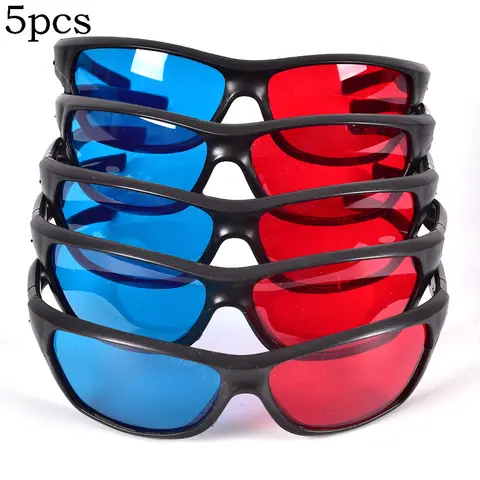
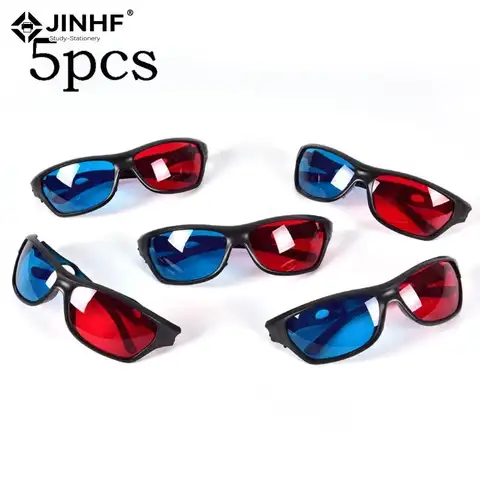
Red cyan anaglyph 3D glasses are essential for viewing stereoscopic 3D content, delivering a vivid depth effect through color-filtered lenses that align with red and cyan images. These glasses are specifically designed to decode anaglyph 3D media—commonly found in older 3D movies, educational materials, and vintage video games—by filtering the red and cyan channels separately for each eye. When used correctly, they enable a compelling 3D visual experience without requiring advanced technology.
For optimal performance, ensure your 3D content is properly formatted as an anaglyph image. Common sources include older 3D films, DIY 3D photo projects, and certain retro gaming platforms. Poorly rendered content may cause eye strain or a weak 3D effect. To avoid this, use high-contrast anaglyphs with clear red and cyan separation.
While modern VR and 3D TVs have largely replaced anaglyph technology, red cyan anaglyph glasses remain valuable for niche applications—such as 3D art exhibitions, science education, and retro 3D content restoration. They are lightweight, affordable, and require no batteries or pairing. For users seeking a cost-effective way to experience 3D visuals, these glasses offer a reliable and accessible solution.
When purchasing, look for glasses with precision-tinted lenses and durable frames to ensure long-term usability. Avoid overly cheap models with inconsistent color filters, as they can distort depth and cause discomfort. For best results, pair your glasses with high-quality anaglyph content and proper viewing conditions.
- Anaglyph 3D
- A 3D imaging technique that combines two offset images—typically one red and one cyan—into a single image. When viewed through red-cyan filter glasses, each eye sees a different image, creating a perception of depth.
- Red Cyan Filter Lenses
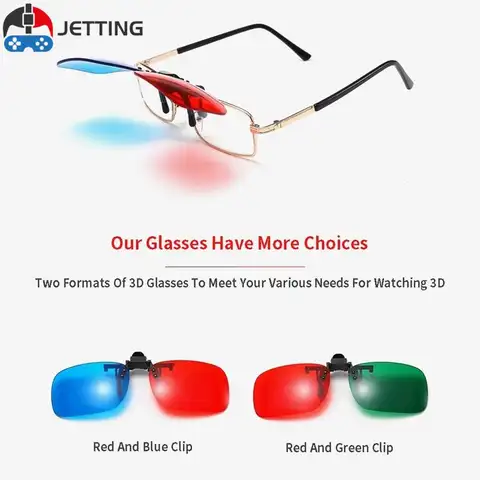
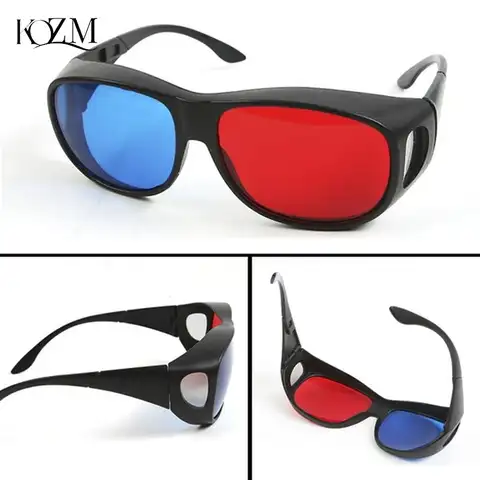
- Color filters in 3D glasses that allow only red light to pass through one lens and only cyan (blue-green) light through the other, enabling the brain to merge the two images into a 3D scene.
For optimal performance, ensure your 3D content is properly formatted as an anaglyph image. Common sources include older 3D films, DIY 3D photo projects, and certain retro gaming platforms. Poorly rendered content may cause eye strain or a weak 3D effect. To avoid this, use high-contrast anaglyphs with clear red and cyan separation.
- Verify that your 3D image or video is encoded as a red-cyan anaglyph.
- Ensure the glasses have genuine red and cyan lenses—some low-quality versions use incorrect tinting, reducing depth perception.
- Use the glasses in a well-lit environment to minimize color bleed and improve image clarity.
- Adjust viewing distance: sit at a comfortable distance (typically 1.5–3 meters) to reduce eye fatigue.
- Take breaks every 15–20 minutes to prevent visual discomfort, especially during extended viewing sessions.
While modern VR and 3D TVs have largely replaced anaglyph technology, red cyan anaglyph glasses remain valuable for niche applications—such as 3D art exhibitions, science education, and retro 3D content restoration. They are lightweight, affordable, and require no batteries or pairing. For users seeking a cost-effective way to experience 3D visuals, these glasses offer a reliable and accessible solution.
When purchasing, look for glasses with precision-tinted lenses and durable frames to ensure long-term usability. Avoid overly cheap models with inconsistent color filters, as they can distort depth and cause discomfort. For best results, pair your glasses with high-quality anaglyph content and proper viewing conditions.