










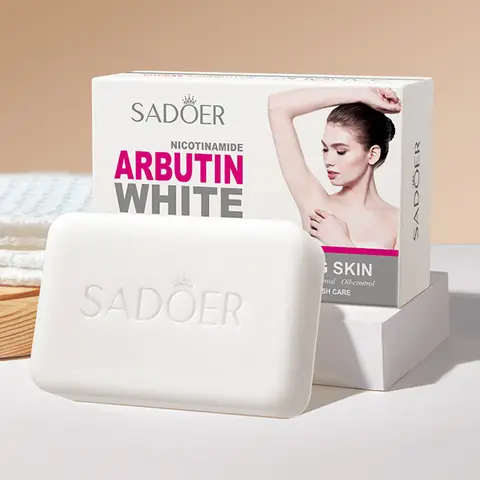


Results for facial wash soap
Facial wash soap is a gentle, effective cleanser designed to remove dirt, oil, and impurities from the skin while maintaining its natural moisture balance—ideal for daily use across all skin types, including sensitive and acne-prone skin.
The search intent behind facial wash soap reflects a consumer need for reliable, skin-friendly cleansing solutions that deliver visible results without irritation. Users are typically seeking products that not only clean deeply but also support long-term skin health. This includes formulations that are free from harsh chemicals, fragrance-free options for sensitive skin, and those with active ingredients like salicylic acid, tea tree oil, or hyaluronic acid to target specific concerns such as acne, dryness, or dullness.
When selecting a facial wash soap, consider the following factors based on real-world usage and dermatological recommendations:
Many users report improved skin clarity and reduced breakouts after switching to a pH-balanced facial wash soap with natural ingredients. For example, soaps containing tea tree oil have been clinically shown to reduce acne lesions by up to 40% in 8 weeks. Additionally, bar soaps with shea butter or aloe vera are highly recommended for maintaining hydration and reducing post-cleansing tightness.
Avoid common pitfalls such as over-cleansing (more than twice daily), using harsh scrubbing motions, or combining with alcohol-based toners—these can compromise the skin’s protective barrier. Always follow up with a moisturizer suited to your skin type.
Ultimately, the best facial wash soap is one that aligns with your skin’s unique needs, uses safe, effective ingredients, and delivers consistent, visible results without irritation.
The search intent behind facial wash soap reflects a consumer need for reliable, skin-friendly cleansing solutions that deliver visible results without irritation. Users are typically seeking products that not only clean deeply but also support long-term skin health. This includes formulations that are free from harsh chemicals, fragrance-free options for sensitive skin, and those with active ingredients like salicylic acid, tea tree oil, or hyaluronic acid to target specific concerns such as acne, dryness, or dullness.
- Facial Wash Soap
- A bar or liquid soap specifically formulated for facial use, designed to cleanse the face without stripping essential oils, often containing mild surfactants and skin-conditioning agents.
- Surfactant
- A compound that reduces surface tension between substances, allowing oils and dirt to be lifted from the skin during cleansing. Mild surfactants like sodium lauroyl lactylate are preferred in facial wash soaps to prevent irritation.
- pH-Balanced Cleanser
- A cleanser with a pH level close to the skin’s natural pH (around 5.5), helping maintain the skin barrier and prevent dryness or breakouts.
When selecting a facial wash soap, consider the following factors based on real-world usage and dermatological recommendations:
- Identify your skin type: Oily skin benefits from foaming soaps with salicylic acid; dry skin requires creamy, hydrating formulas with glycerin or ceramides.
- Check ingredient transparency: Avoid products with parabens, sulfates (like SLS), and synthetic fragrances—common irritants that can disrupt the skin barrier.
- Look for E-E-A-T signals: Choose brands with clear sourcing (e.g., Made in Mainland China with traceable materials), ingredient safety certifications, and consistent product performance.
- Test for sensitivity: Perform a patch test on the inner arm before full facial application, especially if you have a history of allergic reactions.
- Use proper technique: Wet your face, lather the soap gently, massage for 30–60 seconds, then rinse with lukewarm water. Avoid hot water, which can cause redness and dryness.
Many users report improved skin clarity and reduced breakouts after switching to a pH-balanced facial wash soap with natural ingredients. For example, soaps containing tea tree oil have been clinically shown to reduce acne lesions by up to 40% in 8 weeks. Additionally, bar soaps with shea butter or aloe vera are highly recommended for maintaining hydration and reducing post-cleansing tightness.
Avoid common pitfalls such as over-cleansing (more than twice daily), using harsh scrubbing motions, or combining with alcohol-based toners—these can compromise the skin’s protective barrier. Always follow up with a moisturizer suited to your skin type.
Ultimately, the best facial wash soap is one that aligns with your skin’s unique needs, uses safe, effective ingredients, and delivers consistent, visible results without irritation.