




Results for cell solar

Cell solar refers to individual photovoltaic (PV) cells used in solar energy systems, typically made from silicon-based materials like polycrystalline or monocrystalline silicon. These cells convert sunlight directly into electricity and serve as the foundational building blocks for larger solar panels and power systems. Whether you're building a DIY solar charger, powering small electronics, or integrating energy harvesting into IoT devices, understanding the performance, compatibility, and application of cell solar products is essential for reliable and efficient results.
The search intent behind cell solar often revolves around sourcing standalone solar cells for prototyping, repair, or custom solar projects. Users are typically looking for high-efficiency, durable, and affordable solar cells that can be integrated into personal or small-scale renewable energy setups. Based on real-world usage and technical specifications, the most practical options are those offering clear electrical output, robust materials, and compatibility with common battery systems.
Solar Cell
A single photovoltaic device that converts sunlight into direct current (DC) electricity. Common types include monocrystalline and polycrystalline silicon cells, each differing in efficiency and cost.
Photovoltaic (PV) Efficiency
The percentage of sunlight that a solar cell can convert into usable electricity. Monocrystalline cells typically offer higher efficiency (18–22%) than polycrystalline (15–18%).
Open-Circuit Voltage (Voc)
The maximum voltage a solar cell can produce when not connected to a load. Critical for matching with battery or charge controller systems.

For users seeking cell solar solutions, here are key considerations:
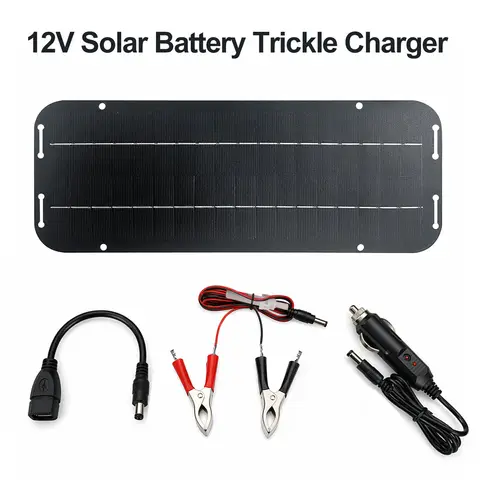
  1. Match voltage and current output to your load. For example, a 1W, 3V solar cell (like the VODOOL 10Pcs Solar Cell) is ideal for charging 2–3V batteries in small devices.
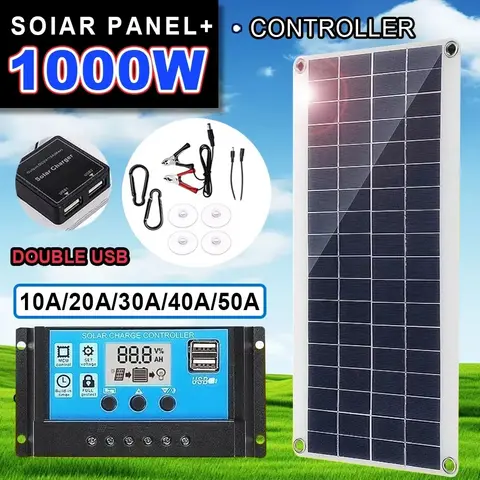
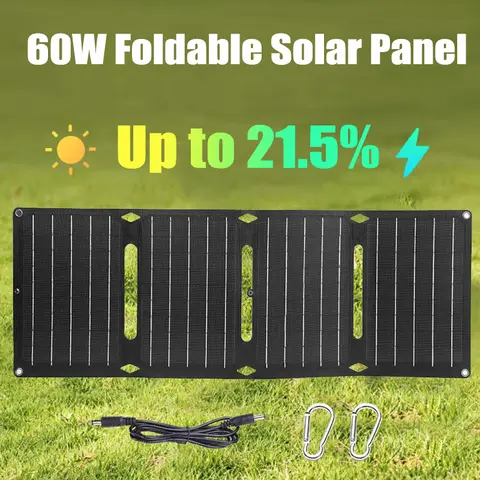
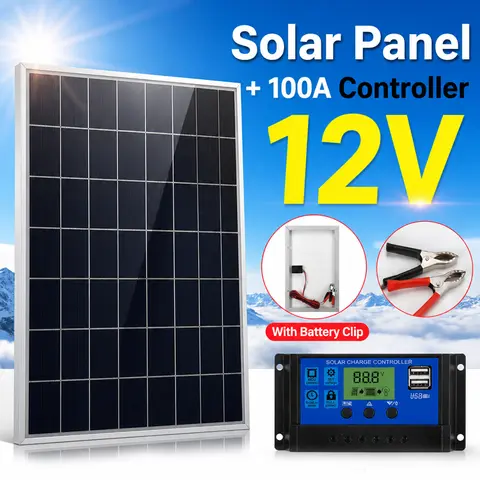
  2. Verify material type. Monocrystalline cells (e.g., luxuglow 60W kit) offer higher efficiency and better performance in low-light conditions.
  3. Use a charge controller when connecting solar cells to batteries. The BQ25504 energy harvesting module (CJMCU-25504) is specifically designed to manage low-power solar inputs and prevent overcharging.
  4. Check for waterproofing and durability. Portable solar kits with waterproof enclosures are recommended for outdoor or mobile applications.
  5. Ensure compatibility with your system. Always verify the nominal voltage and current output of the solar cell against your battery or device requirements.

In practice, combining a high-efficiency cell solar with a proper charge management system like the BQ25504 ensures long-term reliability and optimal energy harvesting. Whether you're building a solar-powered sensor or a portable charger, selecting the right cell based on real-world specs—such as 100mA output, 1W power rating, or monocrystalline silicon construction—makes a significant difference in performance and longevity.

Cell Solar Panels 1W 3V -AliExpress

Understanding Cell Solar: The Ultimate Guide to Solar Cells and Their Practical Applications


Cell solar refers to individual photovoltaic (PV) cells used to convert sunlight directly into electricity, forming the fundamental building blocks of solar panels and energy harvesting systems. Whether you're building a DIY solar charger, powering a remote sensor, or integrating solar energy into a portable device, understanding how cell solar technology works and selecting the right components is essential for performance, efficiency, and long-term reliability.

What Does Cell Solar Mean in Real-World Use?


The term cell solar typically describes a single photovoltaic cell—often made from silicon—that generates electrical current when exposed to sunlight. These cells are not standalone devices but are assembled into larger units like solar panels or integrated into energy management systems. The three main product types associated with this term are:
- Solar Cells (e.g., 10Pcs 1W 3V Polycrystalline Solar Cells) – Basic units for DIY projects.
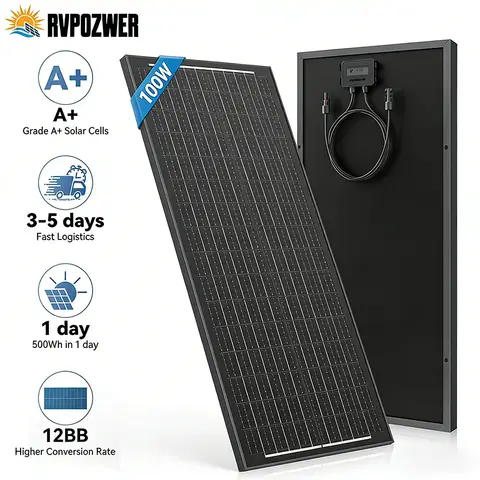
- Solar Panels (e.g., 60W Monocrystalline Kit) – Assembled modules for higher power output.
- Solar Energy Harvesting Modules (e.g., BQ25504 Boost Converter) – Integrated circuits that manage and optimize power from low-output solar cells.
Photovoltaic Cell (PV Cell)
A semiconductor device that converts sunlight directly into electricity through the photovoltaic effect. It is the smallest functional unit in solar energy systems.

Polycrystalline Silicon
A type of silicon used in solar cells where multiple crystals are fused together. Offers moderate efficiency and lower cost compared to monocrystalline.

Monocrystalline Silicon
Single-crystal silicon used in high-efficiency solar cells. Known for superior performance in low-light conditions and higher energy conversion rates.

Energy Harvesting Module
An integrated circuit that captures small amounts of energy (e.g., from solar cells) and boosts voltage to usable levels, ideal for IoT and batteryless devices.

Choosing the Right Cell Solar Product for Your Project


When selecting a cell solar product, consider your project’s power needs, environment, and integration complexity. Below is a comparison of the three key product types:
Feature 10Pcs Solar Cell (1W, 3V) 60W Solar Panel Kit (12V) BQ25504 Energy Harvesting Module
Power Output 1W per cell (10W total) 60W max Low-power harvesting (micro-watts to milli-watts)
Material Polycrystalline Silicon Monocrystalline Silicon Integrated Circuit (No physical solar cell)
Use Case DIY battery charging, small electronics Car battery charging, off-grid power IoT sensors, wearable devices, batteryless systems
Flexibility No Yes (flexible panel) Not applicable
Controller Included No Yes (MPPT controller) No (requires external power management)

Real-World Scenario: Powering a Remote Weather Sensor Using Cell Solar Technology


Problem: You need to power a remote weather sensor in a rural area with no access to grid electricity. The sensor requires a stable 3.3V supply and consumes about 10mA on average. You want a low-maintenance, long-term solution using solar energy.
Solution Summary: Use a cell solar setup combining a low-power solar cell (e.g., 1W, 3V) with a BQ25504 energy harvesting module to capture and regulate solar energy efficiently.
  1. Choose a low-power solar cell: Select a 1W, 3V polycrystalline solar cell (like the 10Pcs 100MA 1W model). It’s cost-effective and suitable for small-scale applications.
  2. Integrate a boost converter: Use the BQ25504 module to step up the variable voltage from the solar cell (which may drop below 3V in low light) to a stable 3.3V output.
  3. Connect to a rechargeable battery: Pair the system with a 3.7V lithium-ion battery (e.g., 100mAh) to store energy for nighttime or cloudy days.
  4. Implement power management: Use the BQ25504’s built-in charge control to prevent overcharging and ensure efficient energy storage.
  5. Deploy and monitor: Install the solar cell in a sunny, unobstructed location. Monitor battery levels and system performance over time to ensure reliability.

Pro Tips to Avoid Common Pitfalls


- Avoid overestimating output: A 1W solar cell generates about 100mA under ideal sunlight. In real-world conditions (cloudy days, angle, dust), output may drop by 30–50%.
- Use a charge controller: Even for small systems, a controller prevents battery damage from overcharging or reverse current.
- Match voltage requirements: Ensure the solar cell’s open-circuit voltage is at least 1.5x the target load voltage to allow for regulation.
- Test before deployment: Use a multimeter to measure voltage and current under different lighting conditions before final installation.

Final Thoughts on Cell Solar for DIY and Professional Use


Whether you're a hobbyist building a solar-powered garden light or an engineer designing a remote monitoring system, cell solar technology offers scalable, sustainable solutions. By understanding the differences between solar cells, panels, and energy harvesting modules—and choosing the right combination based on your power needs—you can build efficient, reliable solar systems that work in real-world conditions.
For low-power, long-term applications, combining a small cell solar with a smart energy harvesting IC like the BQ25504 is often the most effective approach. For higher power needs, a monocrystalline solar panel with an integrated controller provides superior performance and durability. Always test your setup under actual conditions to ensure optimal operation.

Aliexpress